What You Can and Can’t Throw in a Dumpster
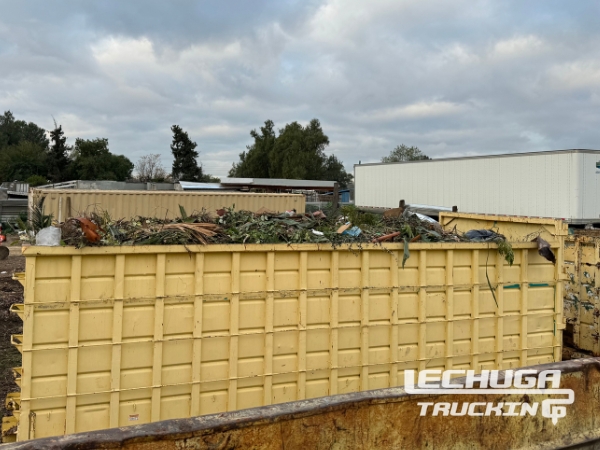
Getting a dumpster for your project is a convenient way for decluttering, home improvement, or building projects. Being able to throw everything in a single container simplifies your cleanup process. It’s important to know that certain materials aren’t allowed. Being informed ensures proper disposal and smooth pickup.
R. Lechuga Trucking emphasizes proper disposal to maximize your rental benefits. Our goal is to help customers make the most of their rental while following all necessary safety and environmental guidelines. Be it a household cleanup, renovation, or yard work, you need clarity on which items go into a dumpster and which do not.
Common Household Items Allowed in a Dumpster
Typical home waste is usually acceptable. Items like furniture, clothing, toys, and boxes are generally safe. Paper products, non-hazardous household trash, and certain home décor items are also acceptable. Such items can be handled easily without environmental hazards.
When decluttering storage areas, items like old furniture and minor appliances are acceptable. Verify that appliances and furniture don’t contain unsafe materials. Keeping your dumpster load clean and compliant ensures smooth service and proper disposal by your rental provider.
Accepted Waste from Construction and Renovation
Construction projects often generate large volumes of debris, and dumpsters are the most practical way to manage that waste. Common construction debris including bricks, drywall, and wood is allowed. These items are generally non-hazardous and can be processed or recycled appropriately once the dumpster is hauled away.
Remodeling debris often includes flooring, cabinetry, and commercial dumpsters Santa Ana CA fixtures. Items containing lead or asbestos should be removed prior to disposal. Clean construction waste helps maintain safety during handling and ensures compliance with environmental regulations that govern waste disposal sites.
Yard Waste and Organic Materials
Outdoor cleaning often produces yard waste suitable for dumpsters. Most organic debris is allowed unless contaminated. Sorting organic debris allows proper handling and recycling.
When you’re cleaning up your outdoor spaces, make sure items like treated wood, old fencing, and landscaping stones are acceptable under your dumpster’s waste guidelines. Some treated woods or painted materials may not qualify as yard waste due to their chemical treatments. Clarifying acceptable items ensures smooth disposal and avoids problems.
Waste Items That Are Not Allowed
There are materials you cannot put in a dumpster because of environmental and safety concerns. This includes hazardous waste such as chemicals, batteries, paint, oils, and fuels. Special facilities are required for these materials due to safety and environmental hazards.
Other restricted items include tires, large electronics, and certain appliances that contain refrigerants or harmful components. They must be handled using specialized disposal or recycling methods. Always review the prohibited items list provided by your dumpster rental company to ensure compliance and prevent costly complications during pickup.
Appliances and Electronics: Handle With Care
Appliances and electronics can be tricky when it comes to dumpster disposal. Appliances like microwaves, refrigerators, and ACs cannot go in a regular dumpster safely. Many of these contain chemicals or electrical elements that can’t be safely disposed of in a regular dumpster.
Devices like computers, TVs, and printers should not go directly into a dumpster. Bringing electronics to proper recycling facilities supports sustainability. Handling electronics properly contributes to safe and eco-friendly waste management.
Specialty Waste That Requires Care
Certain wastes, such as medical or industrial items, must be disposed of carefully. They are limited by law due to health and environmental dangers. Even if they seem harmless, they must be processed through appropriate facilities equipped to handle them safely.
When in doubt, consult your rental provider to see if waste is classified as special. Clear communication helps you avoid potential penalties or service interruptions. R. Lechuga Trucking guides clients on proper disposal for safe, legal handling.
Optimizing Dumpster Usage
Once you know what can and can’t go in a dumpster, you can plan your cleanup more effectively. Organize items to load efficiently and avoid hazards. Load heavy debris at the base and lighter items above to save space. Do not exceed the rim, which can be unsafe during transport.
Properly managing your dumpster load supports safety and service rules. Adhering to rules helps streamline disposal and collection. This attention to detail benefits both you and the provider, helping maintain responsible waste management practices across all projects.
Staying Compliant and Safe With Your Dumpster
Understanding dumpster rules is essential for safe disposal. Sorting materials correctly makes projects more manageable. Whether you’re dealing with household clutter, yard debris, or renovation waste, using your dumpster correctly saves time and prevents problems during pickup or disposal.
R. Lechuga Trucking provides expert advice to maximize dumpster rental efficiency. Following our recommended practices ensures smooth and confident project completion. Renting from us means partnering with a company dedicated to safe and responsible waste management.